
Best work boots for standing on concrete floors all day, with the cushioning, support, and slip resistance needed to reduce hard-floor fatigue during long warehouse, manufacturing, and jobsite shifts.
Reviewed for shock absorption, arch support, slip resistance, midsole durability, and long-shift fatigue on hard concrete floors.
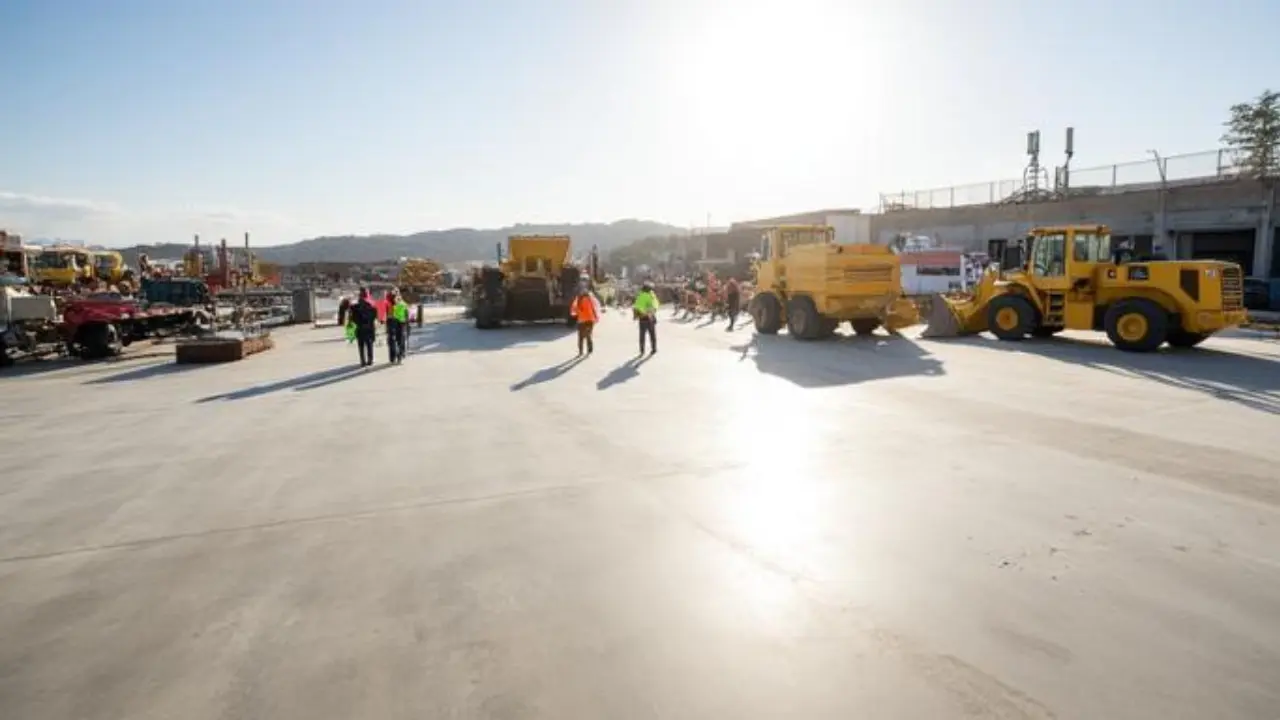
Concrete-Tested: We prioritized midsole cushioning, flat-slab traction, and arch support so your joints do not pay the price by hour ten.
Skip to #1 pick — Red WingThis is our complete guide to choosing work boots for concrete floors, including warehouse, distribution, plantar fasciitis, and long-shift fatigue scenarios.
This guide focuses specifically on work boots designed for concrete floors. If you are allowed to wear lighter footwear instead of safety boots, see our guide to the best shoes for standing on concrete floors.
Yes—if your workplace allows them. Lightweight safety shoes reduce fatigue for walking-heavy shifts, while wedge boots usually perform better for standing. Compare our guide to work shoes for concrete floors to see when each option makes more sense.
If keeping your feet dry matters as much as cushioning and support, compare our guide to the best waterproof work boots for wet concrete, rain, and muddy job sites.
Who This Guide Is For
- Warehouse and distribution workers standing on hard slab all day
- Manufacturing and assembly workers dealing with repetitive concrete-floor fatigue
- Workers needing more support for heel pain, sore arches, or tired knees
- Anyone choosing between wedge soles, safety toes, and softer comfort-focused options for concrete
Why Trust This Guide
- Built around real hard-floor fatigue problems like heel pain, arch collapse, forefoot pressure, and dead midsoles by the end of long shifts.
- Separates standing-heavy, walking-heavy, and PPE-required concrete work instead of treating them as the same problem.
- Compares wedge soles, anti-fatigue systems, arch support, and shock absorption in plain English.
- Updated to connect concrete-floor comfort with related guides on shoes, insoles, soreness, and foot pain.
The best work boots for standing on concrete all day combine shock-absorbing midsoles, stable arch support, and slip-resistant outsoles to reduce joint fatigue on hard, non-forgiving surfaces.
- Shock-absorbing midsoles (EVA, PU, or wedge cushioning)
- Stable arch support to reduce heel strain
- Slip-resistant outsoles for polished slabs
- Roomy toe boxes to prevent forefoot fatigue
- ASTM-rated toe protection if required by your site
The most comfortable work boots for concrete floors balance cushioning with structure. On hard slabs, soft foam alone compresses fast. Stable arch support and heel control are what keep comfort going through a full shift.
Even good concrete boots can feel harsher than expected during the first few wears while the upper, insole, and flex point are still stiff. If you want to break in work boots faster without punishing your feet, gradual wear and better sock support help a lot.
Workers with flat feet often deal with extra fatigue on hard concrete during long shifts. If arch support is a major concern, see our guide to work boots for flat feet for options built around better stability and support.
Looking for other trade-specific footwear too? Browse our full work boot guides by trade.
Why Concrete Is Harder on Your Body
Concrete has almost zero energy return. Unlike soil, wood, or rubber surfaces, it does not absorb impact. Every step sends force back into your heel, knees, and hips. Over time, this repetitive compression contributes to fatigue, plantar strain, and lower back stress. Workers who regularly handle wet cement or slab pours should use waterproof PVC boots instead. See our guide to work boots for pouring concrete designed for slurry, wet cement, and chemical exposure.
Common Foot Problems From Standing on Concrete
- Heel pain: repeated impact builds fast on hard slab.
- Arch fatigue: weak support lets feet collapse inward over time.
- Knee and low back strain: force transfers upward when cushioning fails.
- Forefoot pressure: tight toe boxes and flat insoles increase soreness.
- General leg fatigue: dead midsoles make every hour feel heavier.
Outdoor workers such as landscapers often spend long hours on hard surfaces like patios, pavers, and walkways. For footwear designed specifically for outdoor yard work and wet terrain, see our guide to work boots for landscaping or yard work. If your job involves water, mud, or washdown environments instead of dry indoor work, see our guide to rubber safety work boots which focuses on waterproof neoprene and PVC designs.
Why Work Boots Perform Better Than Shoes on Concrete Floors
Many workers start with cushioned sneakers, but concrete shifts usually expose their limits fast. Supportive work boots built for hard floors hold their structure longer, control heel strike better, and reduce fatigue more consistently across long shifts.
Boots with wedge soles, dual-density EVA midsoles, or systems like DuraShocks are especially effective at absorbing repetitive heel-strike impact on hard warehouse and factory floors.
Some workers want concrete-floor comfort without dealing with laces every day. If that is you, compare our guides to wedge sole Wellington boots and comfortable pull-on work boots. If you prefer western styling and wedge-heavy options, our Justin work boots review is another useful comparison.
Standing vs. Walking on Concrete:
Does It Change What You Need?
Quick Fit Decision Guide
Mostly Standing
- Wedge cushioning spreads pressure evenly
- Stable arch support reduces heel strain
- Softer midsoles prevent joint compression
Mostly Walking
- Responsive midsoles that rebound each step
- Flexible forefoot for smoother stride
- Balanced shock absorption + stability
Workers wearing rigid safety boots often improve comfort by upgrading the factory footbed. Our guide to insoles for safety shoes explains which inserts fit properly inside steel-toe work boots and help reduce fatigue on concrete floors.
Many warehouse and distribution roles combine both standing and walking. In those cases, choose a boot that blends shock absorption with forefoot flexibility so fatigue doesn’t build by hour eight.
If you mostly stand, choose cushioning that distributes load. If you mostly walk, choose midsoles that rebound.
Best Boots for Walking on Concrete All Day
Walking on concrete all day creates a different kind of fatigue than static standing. Instead of pure pressure buildup, the main issue is repeated heel strike and forefoot rollover over thousands of steps.
The best work boots for walking on concrete all day usually combine responsive midsoles, moderate flexibility, and enough arch support to stop the foot from collapsing as the shift goes on. For walking-heavy warehouse roles, lighter boots and hybrid wedge designs often feel better than rigid traditional work boots.
If your day mixes scanning, picking, loading, and constant indoor movement, prioritize a boot that rebounds well rather than one that only feels soft while standing still. Workers in route-based indoor jobs may also want to compare our guide to boots for delivery drivers working long concrete routes.
Best Steel Toe Work Boots for Standing on Concrete
If your site requires protection, the best steel toe work boots for standing on concrete all day need more than just an ASTM-rated toe cap. They also need enough cushioning, arch support, and underfoot stability to stop hard-floor fatigue from building by mid-shift.
On this page, the strongest steel toe option for concrete is the KEEN Utility Pittsburgh, especially for workers who need toe protection, wider fit, and better support. If you want extra structure with a more traditional work-boot feel, compare it alongside other comfortable steel toe safety shoes built for long hours.
For many warehouse and shop-floor workers, the right steel toe boot comes down to balancing protection with fatigue control. A heavy toe cap without enough midsole support usually feels worse, not safer, by the end of the shift.
Best Boots for Standing on Cold Concrete Floors
Cold concrete floors create a different kind of fatigue because the slab pulls warmth out of the foot over time. That can leave workers feeling stiff, sore, and more tired even when the boot looks well cushioned on paper.
For standing on cold concrete all day, look for denser midsoles, insulated footbeds, moisture-managing socks, and uppers that block drafts without overheating indoors. If your shifts happen in winter warehouses, unheated shops, or cold loading areas, compare our guide to the best cold weather work boots for warmer options that still handle hard slab well.
Even a good concrete boot can feel harsher in cold conditions if the insole has flattened or your socks hold moisture. On winter shifts, underfoot warmth and dryness matter almost as much as cushioning.
Concrete Floor Boot 101
What to Prioritize
Concrete has almost no shock absorption compared to soil or wood. Over long shifts, repeated heel strike increases joint compression unless your boots absorb that impact properly.
- Cushioning midsoles (EVA, PU, wedge soles, DuraShocks®) reduce slab impact.
- Arch & heel support keeps posture aligned during static standing.
- Slip resistance improves stability on polished or dusty floors.
- Fit & volume allows toe splay and orthotic use if needed.
- PPE match: choose steel or composite toe if ASTM F2413 + EH is required.
Wedge soles, dual-density EVA midsoles, and structured heel counters make the biggest difference between comfort and cumulative fatigue on hard slab.
If knee fatigue is already building mid-shift, see our work boots for bad knees built for long concrete hours.
Prefer rebuildable leather construction? Compare these American made work boots for concrete.
Common Mistakes When Choosing Boots for Concrete
Concrete is unforgiving, so small mistakes add up fast. If your feet feel fine for the first few hours but you crash by hour eight, it is usually one of these issues.
- Choosing soft foam without structure: Plush midsoles can feel great in the first week, then compress and lose support. On concrete floors, you want cushioning plus a stable chassis that holds shape.
- Ignoring arch collapse: When arches drop on hard slabs, the strain shows up in heels, knees, and low back. Boots with real arch geometry, plus an insole you can replace, hold up better on long shifts.
- Not rotating pairs: EVA and PU rebound better when they rest. Rotating two pairs can keep cushioning more consistent across the week and reduce the “dead midsole” feeling.
- Waiting too long to replace insoles: On polished warehouse slab, insoles pack down faster than most people expect. If you are on concrete daily, refresh insoles every 3–6 months before pain becomes your signal.
If you are buying work boots for concrete floors, prioritize midsole material, arch support, and heel stability first. Those three are what keep comfort consistent when the shift is long and the floor does not give.
Match Job Scenario to Boot
| Scenario | Prioritize | Toe / PPE | Good Matches |
|---|---|---|---|
| 12-hr warehouse / mostly standing | Wedge cushioning + roomy toe | Soft toe | Thorogood Heritage, Pit Boss Soft Toe |
| Concrete + material handling / equipment | Shock absorption + supportive chassis | Steel or CT | KEEN Pittsburgh ST, Wolverine Raider |
| Premium comfort / long-term durability | Vibram® cushioning + BOA® fit | Soft toe | Red Wing Tred Lite BOA |
| Budget-conscious indoor shifts | Anti-fatigue insole + slip resistance | Soft toe | Timberland Pit Boss |
If your role combines concrete decking with high steel tasks, review our breakdown of ironworker boots built for beam stability and long shifts.
Comparison Table
Best Concrete Floor Work Boots
These are the best boots for workers who spend long hours standing or walking on concrete floors all day. Each model below focuses on cushioning, support, fatigue control, and better comfort on unforgiving hard surfaces.
| Boot | Why it’s good | Best For | Price |
|---|---|---|---|
⭐ Best Overall Red Wing Traction Tred Lite BOA | BOA fit plus Vibram cushioning for premium long-shift comfort on concrete floors. | Premium all-day comfort. | |
⭐ Best Cushioned Wedge Thorogood Heritage | Classic wedge-sole comfort with resolable construction and strong slab fatigue relief. | Warehouse, dock, and flat-slab work. | |
⭐ Best PPE Option KEEN Utility Pittsburgh | Steel toe protection, roomy fit, arch support, and slab-friendly stability. | Concrete-heavy jobs needing PPE. | |
⭐ Best Budget Timberland Pit Boss | Budget-friendly anti-fatigue comfort for indoor slab work and lighter-duty shifts. | Indoor warehouse and assembly work. | |
⭐ Best Shock Absorption Wolverine Raider DuraShocks | DuraShocks impact reduction helps keep legs fresher on hard concrete by shift end. | Distribution and facility work. |
Full Reviews Below
The table gives the fast shortlist. The reviews below explain how each boot actually feels on concrete, where it performs best, and where the trade-offs start to show during long shifts.
Red Wing Traction Tred Lite BOA — Best Overall Comfort on Concrete
TFF Rating:
Best For: long standing shifts needing premium cushioning + quick, dialed fit.
Vibram® LiteTred wedge + BOA® dial closure equals fewer hot spots and less mid-shift lace fuss. Waterproof leather handles wash-downs; note it’s a non-safety toe.
Field notes: “Dial it, go. Cushion stayed lively to clock-out; zero tongue pressure.”
Key Features:
- BOA® Fit System
- Vibram® LiteTred wedge outsole
- Waterproof leather upper
- Light, flexible ride
Pros
- Outstanding cushion for flat slabs
- Fast micro-adjust fit
- Low break-in
Cons
- Premium price
- No safety toe
- PPE: confirm soft-toe allowance; not ASTM impact-rated.
- Fit: if you run hot, rotate socks at lunch.
Sizing & Fit: True-to-size; good midfoot hold. Works with thin–mid socks.
Best For (recap): premium all-day concrete comfort without PPE needs.
Thorogood American Heritage Wedge — Best Cushioned Wedge (Resoleable)
TFF Rating:
Best For: warehouse/dock work with long standing spells where soft wedge + longevity wins.
MAXWear Wedge™ spreads load evenly on slabs; the Goodyear welt means you can resole and keep the upper rolling for years.
Field notes: “Soft underfoot, stable on dusty concrete. Needed a couple shifts to loosen up.”
Key Features:
- MAXWear Wedge™ slip-resistant outsole
- Shock-absorbing removable footbed
- Goodyear welt (resoleable)
- Full-grain leather
Pros
- Excellent fatigue reduction on concrete
- Longevity via resoles
- Classic fit and feel
Cons
- No waterproof lining
- Moderate break-in
- Spills: clean soles—the soft compound can track grime.
- Support: add firmer insoles if arches fatigue by hour 6–8.
Sizing & Fit: True-to-length; available in widths.
Best For (recap): cushioned wedge comfort with long-term value.
KEEN Utility Pittsburgh (Steel Toe) — Best Protective Pick with Support
TFF Rating:
Best For: concrete-heavy jobs requiring steel toe with a wide forefoot and real arch support.
KEEN’s roomy toe box eases forefoot pressure; the waterproof/breathable membrane handles spills and sweats. Stable under load without brick-boot vibes.
Field notes: “Arch felt supported all day. A little warm in summer, fine with wicking socks.”
Key Features:
- Steel toe (ASTM F2413)
- Waterproof, breathable membrane
- Slip-resistant outsole
- Removable dual-density EVA footbed
Pros
- Supportive arches + ankle hold
- Roomy toe box
- Confident slab traction
Cons
- Runs warm in heat
- Heavier than soft-toe picks
- Weight: rotate pairs or add cushioned socks if legs tire.
- Membrane care: keep detergent films off the upper for breathability.
Sizing & Fit: True-to-size; generous forefoot. Great for wider feet.
Best For (recap): protective PPE with supportive ride on concrete.
Timberland PRO 6" Pit Boss (Soft Toe) — Best Budget Pick for Flat Slabs
TFF Rating:
Best For: indoor concrete where anti-fatigue insoles + price matter more than PPE.
Timberland’s anti-fatigue footbed soaks up repetitive impact; the soft toe keeps weight down and flexibility up.
Field notes: “Comfort right away. Not fancy, but feet felt fresher at close.”
Key Features:
- Anti-fatigue footbed
- Oil/Slip/Abrasion-resistant outsole
- Rugged nubuck leather
- Soft toe (lighter feel)
Pros
- Comfortable on concrete for less
- Short break-in
- Flexible ride
Cons
- Not waterproof
- Leather scuffs
- PPE: no impact toe—confirm site allowance.
- Support: consider support insoles for flat feet.
Sizing & Fit: True-to-size; average width.
Best For (recap): budget-friendly concrete comfort indoors.
Wolverine Raider DuraShocks — Best Shock Absorption on Concrete
TFF Rating:
Best For: distribution/facility work where impact reduction is priority one.
DuraShocks® compression pads at heel/forefoot blunt every step. Classic work-boot look with more cushion than you’d expect.
Field notes: “Noticeable heel relief on long routes. Broke in quick.”
Key Features:
- DuraShocks® comfort system
- Removable cushioned footbed
- Moisture-wicking lining
- Slip- and oil-resistant outsole
Pros
- Excellent impact reduction
- Flexible, cushioned feel
- Quick break-in
Cons
- A bit heavier than hikers
- Cushion packs faster for heavy users—rotate pairs
- Midsole life: swap insoles every 3–6 months on slabs.
- Grip: keep dust off soles for best traction.
Sizing & Fit: True-to-size; accommodating forefoot.
Best For (recap): shock absorption that keeps legs fresher by close.
If you’re walking hard warehouse floors or concrete distribution hubs all day, you may also want to compare options built specifically for route work and stop-and-go shifts. Our guide to best boots for delivery drivers working long concrete routes breaks down pavement comfort, lightweight flexibility, and long-haul cushioning needs.
Welders in fabrication shops often deal with the same concrete-floor fatigue as warehouse and production workers, but they also need heat resistance, met protection, and more durable uppers. If that sounds like your work, see our guide to met guard welding boots for fabrication floors for options that combine shop-floor comfort with heavier hazard protection.
Quick Picks Recap: These are the fastest best-fit routes depending on how you work on concrete day to day.
- Best overall: Red Wing Traction Tred Lite BOA
- Best cushioned wedge: Thorogood American Heritage
- Best protective option: KEEN Utility Pittsburgh
- Best budget option: Timberland Pit Boss
- Best shock absorption: Wolverine Raider DuraShocks
Care & Maintenance for Concrete Duty
- Insole refresh: swap when cushioning feels flat or compressed, often every 3–6 months on concrete.
- Outsole care: brush dust off treads daily to keep slip resistance sharp.
- Drying: pull insoles; air dry or low-heat boot dryer. Avoid direct heaters.
- Rotation: alternate pairs so midsoles rebound between shifts.
Pro Tips for Comfort & Safety
- Support boost: flat feet often benefit from firmer support inserts on slabs.
- Wedge vs. heel: wedges spread load for static standing; heeled boots help if you’re on ladders often.
- Sock swap: rotate into dry, cushioned socks at lunch to keep arches alive.
- Fit hack: lace-lock (runner’s loop) to prevent heel slip without crushing forefoot.
Many transportation workers spend long hours on concrete surfaces, especially truck drivers loading freight or walking across warehouse docks. If your job involves both driving and dock work, see our guide to work boots for truck drivers which focuses on footwear that balances long-haul comfort with slip resistance for loading bays.
If your current boots feel flat or unsupportive, adding shock-absorbing insoles for work boots can significantly reduce impact on hard concrete floors.
Many firefighters spend extended time standing on apparatus bay floors between calls, which adds up through the knees and heels over a shift. These firefighter boots explain which station-ready and structural models handle concrete fatigue better during long duty rotations.
- Verify ASTM F2413 toe and required EH rating on the exact SKU before purchase.
- Choose soft toe for non-impact zones; steel/composite where PPE is mandatory.
- Try boots indoors first; check toe room and heel hold before work use.
Sock Pairing & Footcare
- Daily combo: mid-weight merino crew for cushion + moisture control.
- Hot warehouses: ultralight breathable crews; air out at lunch.
- Arch relief: cushioned arch-band socks to reinforce support.
Safety & Standards
Match site PPE and verify ASTM F2413 and any required EH rating on your exact SKU. For official language, see OSHA Foot Protection (29 CFR 1910.136).
Final Verdict
Best overall: Red Wing Traction Tred Lite BOA. Best wedge: Thorogood Heritage. Best PPE: KEEN Pittsburgh ST. Best budget: Timberland Pit Boss. Best shock absorption: Wolverine Raider.
Quick Answers for Common Concrete Floor Problems
Are regular sneakers good for warehouse work?
Most athletic sneakers lack the structural arch support and long-term midsole durability needed for standing on concrete all day. For full breakdowns by job type, see our guide to warehouse work boots for long shifts.
Why do my knees hurt after concrete shifts?
Concrete doesn’t absorb impact, so repetitive compression transfers upward into knees and hips. Structured midsoles and stable arches reduce that strain. If knee pain is your main issue, review our guide to work boots for bad knees.
Do insoles actually help on concrete floors?
Yes — especially firm support insoles that prevent arch collapse on hard slabs. We break down specific models in our best insoles for concrete floors guide.
FAQ — Standing on Concrete All Day
What are the best work boots for standing on concrete floors all day?
The best work boots for standing on concrete floors all day combine shock-absorbing midsoles, stable arch support, slip-resistant outsoles, and enough structure to keep comfort from collapsing mid-shift. For most workers, wedge soles, supportive EVA or PU midsoles, and replaceable insoles make the biggest difference.
What are the best work boots for standing on concrete floors all day?
The best work boots for standing on concrete floors all day combine shock-absorbing midsoles, stable arch support, slip-resistant outsoles, and enough structure to keep comfort from collapsing mid-shift. For most workers, wedge soles, supportive EVA or PU midsoles, and replaceable insoles make the biggest difference.
What are the best boots for walking on concrete all day?
Boots with responsive midsoles, moderate flexibility, and solid arch structure perform best for walking on concrete floors. Look for models that balance cushioning with stability so the foam doesn’t collapse under repetitive steps.
What is the most comfortable sole for concrete floors?
For most people, the most comfortable sole on concrete is a cushioned wedge or a dual-density EVA midsole that blends softness with structure. PU midsoles tend to hold their shape longer under constant slab impact. Systems like DuraShocks can also reduce heel strike fatigue by absorbing repeated impact on hard floors.
Are wedge-sole boots better than heeled boots on concrete?
Often yes for static standing—wedges spread load evenly and reduce pressure points. Heeled boots can help if you’re on ladders frequently.
What helps most with flat feet on concrete?
Firm support insoles + cushioned midsoles. Wide toe boxes prevent forefoot pinch. KEEN Pittsburgh (wide) and Wolverine Raider handle this well.
What if I have plantar fasciitis or heel pain?
Prioritize heel cushioning and structured arch support. If heel pain persists, review our full guide to work boots for plantar fasciitis. Swap insoles every 3–6 months and rotate socks midday to manage moisture and friction.
Do I need waterproof boots indoors?
Not strictly, but membranes help with spills and wet clean-ups. If you run hot, non-membrane leather with moisture-managing socks can run cooler.
How long should boots last on concrete?
About 6–18 months depending on weight, use, and surfaces. Concrete compresses midsoles—rotating pairs extends life.
Are work boots or work shoes better for concrete floors?
Work boots are usually better when you need more support, durability, or site protection, while work shoes can feel lighter for indoor shifts. The right choice depends on whether your job requires safety features, how much you walk, and how much structure your feet need on hard concrete.
How We Test — Cushion, Grip & Fatigue
We compare these boots on polished concrete, dusty warehouse slab, and damp hard-floor conditions, scoring cushion, grip, arch support, break-in, and weight alongside long-shift feedback.
Concrete Shift Scorecard: Every pick is graded using the same 10-point checklist: midsole material type (EVA, PU, wedge, DuraShocks), heel stability, arch structure, outsole traction on smooth slab, forefoot flexibility, toe box volume, insole replaceability, boot weight class, break-in feel, and common durability flags from long-shift user reports. Each model must score strongly in cushioning plus stability, not just soft foam.
Why this matters: Concrete fatigue usually comes from a collapse in one area: cushioning packs down, arches drop, or heel stability fails. Our scorecard is built to catch those failure modes before they show up at hour eight.
| Model | Cushion | Slip Resistance | Arch Support | Break-in | Weight |
|---|---|---|---|---|---|
| Red Wing Tred Lite BOA | Excellent | Very Good | Very Good | Short | Light-Mod |
| Thorogood Heritage | Very Good | Very Good | Good | Moderate | Moderate |
| KEEN Pittsburgh ST | Very Good | Very Good | Excellent | Moderate | Heavier |
| Timberland Pit Boss | Good | Good | Good | Short | Moderate |
| Wolverine Raider | Very Good | Very Good | Very Good | Short | Moderate |
About the Author & Testing
Compiled by The Foot Facts with input from warehouse, distribution, and framing crews. We evaluate cushioning, traction, arch support, break-in, and PPE compliance. Notes blend spec sheets, user reports, and wear-testing where indicated.
Good boots disappear under you. If you notice your feet less by clock-out, you picked right.